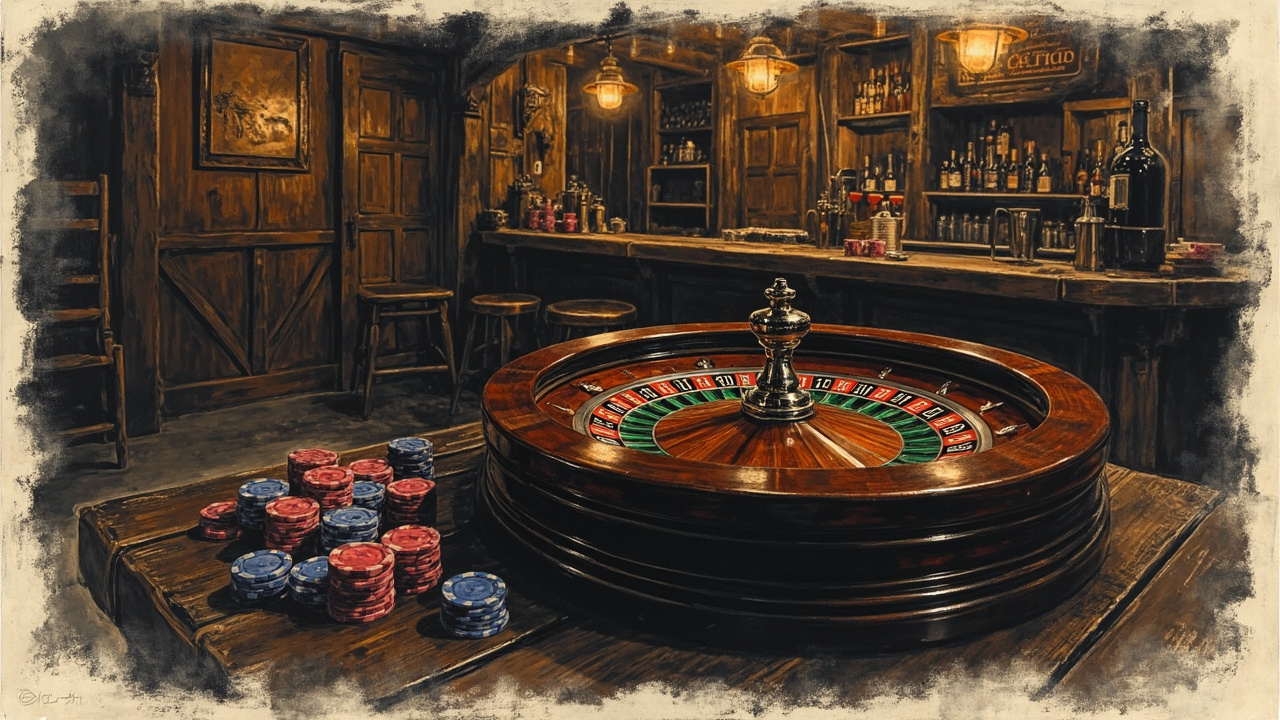
Getting into a free tournament usually comes down to spotting the right online poker satellite freeroll password before the lobby fills up. I’ve spent fifteen years balancing slot math and simulation tables, and I reckon the same discipline applies here: you want clear entry rules, not vague promises. Over one arvo in Wollongong, I watched a local club run a low-stakes qualifier where the password circulated through a verified member list, and the whole setup felt tidy rather than chaotic. If you’re weighing a new room, treat the password mechanic as a usability test first and a payout promise second.
Does the lobby navigation actually help you find the entry point?
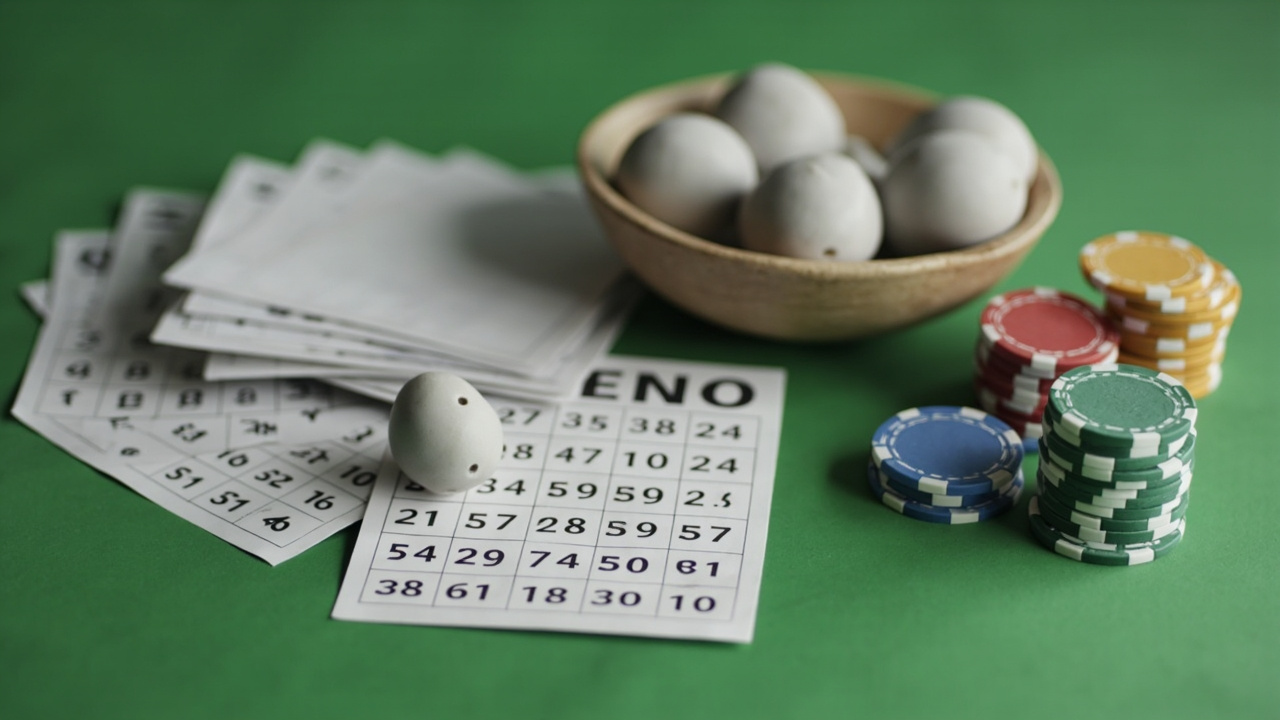
A solid room should let you spot a satellite qualifier in a few clicks, with the password entry sitting where your eyes naturally land after you tap tournaments. I’ve designed specs where a cluttered header buried the real action, and players just clicked past it, so I judge a poker interface by how little hunting it asks of you. The best layouts separate paid buy-ins from free rolls, show the password field near the top, and keep the timer visible without flashing distractions. If you’re sorting through a busy lobby after work, you want plain labels, a currency toggle that actually sticks to Australian dollars, and search that returns the qualifier instead of dumping every event onto the screen. Navigation that feels obvious on a phone matters just as much, because half the entries happen on the train home or during a quiet stretch at the beach.
How clear are the password rules and localisation details?
Before you paste any online poker satellite freeroll password into a field, read the fine print on who can use it, how many seats it releases, and whether it expires mid-qualifier. I’ve run simulations where a badly worded access rule turned a tidy satellite into a messy queue, and that kind of friction shows up in real rooms when the terms hide behind generic tournament copy. Good localisation means the page speaks your language, the cash balance displays in dollars, and the password instructions spell out whether it’s one seat per account or a shared pool. Support should answer plain questions without making you dig through a wall of text, and registration should ask for the basics without feeling like a maze. If the room treats you like a local rather than a generic sign-up, you’ll spend less time decoding and more time actually playing.
Do the freeroll mechanics feel fair once you’re in?
A free qualifier only earns trust when the seat allocation is visible and the pacing makes sense. Some rooms make winners audible and visible near the tables, which is a simple way to keep the room lively without pushing anyone toward a deposit. The same spirit shows up in the “picnic races” style events that blend racing action with a community feel, where the focus stays on the shared moment rather than a hard sell. From a design standpoint, I look for transparent blind structures, a clear seat countdown, and no hidden triggers that suddenly shift the field after you’ve committed time to the table. If the password gets you in cleanly and the tournament runs on a schedule you can actually follow, that’s a better sign than any loud bonus claim.
What matters most when you’re weighing a new room?
Treat the password as one piece of a bigger usability check, not the whole story. Ask yourself whether the lobby helps you find the qualifier, whether the terms are written for a real person, and whether the tournament flow feels steady once you’re seated. I’ve seen plenty of rooms that look flashy on paper but fall apart the moment you try to move from registration to the felt, so I’d rather judge a room by how little friction it creates during a normal session. If you’re comparing options on a quiet weeknight, pick the one that keeps the language clear, the currency familiar, and the entry process straightforward. No worries if the first room doesn’t click; a sensible password mechanic is only useful when the rest of the setup supports it. For a broader look at how free tournament formats fit into a wider poker schedule, this freeroll tournament guide lays out the basics without overcomplicating the entry step. When you want a room that keeps the whole flow tidy, you can always start from a familiar home base like https://royalreels-online-casino.net and work out whether the poker side matches the rest of the experience.

- Open the poker lobby and filter the tournament list to show free or satellite events first.
- Check the qualifier details, including the seat count, blind schedule, and how the password is distributed.
- Read the entry rules aloud or copy them into a note so you know exactly what the password unlocks.
- Enter the password only after you confirm the room’s currency, language, and support details match what you want.
- Join the table once the seat is confirmed, and keep an eye on the timer instead of chasing last-minute changes. Freeroll-turnaukset tuovat verkkokasinoon uuden pelirytmin
A good online poker satellite freeroll password is only worth chasing when the room around it makes sense on a normal day. Look for a lobby that points you to the qualifier without a scavenger hunt, terms written in plain English, and a tournament flow that stays steady from entry to the final table. If the room treats the password as a simple key rather than a marketing trick, you’ll know within a session or two whether it’s worth your time.